Up to 72.6% OFF selected supplements today!
THE 8 NATURAL REMEDIES
What Are the 8 Natural Remedies?
They are simple lifestyle principles: pure air, sunlight, temperance, rest, exercise, proper diet, the right use of water, and trust in God. Classic Christian health writings describe these as “God’s remedies,” working together on body, mind, and spirit to prevent disease and strengthen the whole life.
1. Pure Air
What is taught:
Pure air is described as one of the most precious blessings of nature. Correct, deep breathing in healthy environments is essential for clean blood and an active brain.
Benefits:
Improves blood oxygenation
Increases mental clarity and concentration
Strengthens lungs and the immune system
How to apply:
Prefer well-ventilated rooms, open windows whenever possible
Walk outdoors every day, especially in the morning
Avoid smoke, pollutants, cigarettes, incense in excess and stuffy spaces
Practice deep breathing for a few minutes daily


2. Sunlight
What is taught:
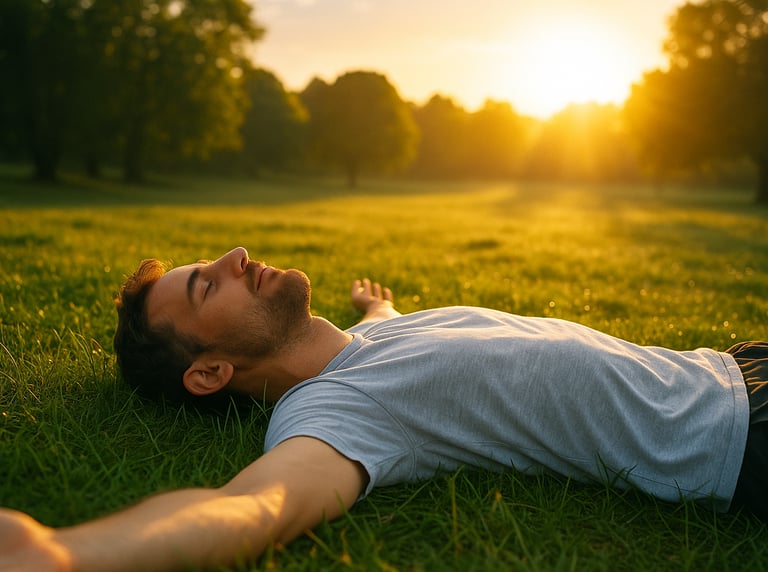
Sunlight is presented as a “heavenly remedy” to be used with common sense. Not in extremes, but in daily, moderate exposure.
Benefits:
Stimulates vitamin D production
Supports bone and immune health
Improves mood and reduces low-spirited feelings
Helps regulate body clock and sleep
How to apply:
Get 15–30 minutes of gentle sun per day, preferably in the morning or late afternoon
Expose arms and legs when possible, without burning the skin
Avoid strong sun between 10 a.m. and 4 p.m., especially in very hot regions
Whenever you can, combine sunlight with a walk outdoors

3. Water
What is taught:
Water is seen as a remedy inside and out: drinking pure water and using it in baths and compresses helps the body cleanse and recover.
Benefits:
Aids circulation and toxin elimination
Supports digestion and bowel function
Hydrates skin, joints, and organs
Can relieve some headaches related to dehydration
How to apply:
Drink water throughout the day (often around 1.5–2 liters, adjusted to person and climate)
Prefer pure water over soda, sugary juices and alcoholic drinks
Avoid large amounts of very cold water with heavy meals
Use water in baths, showers and compresses to relieve tension and support circulation


4. Healthy Diet
What is taught:
A simple, natural diet is recommended, based largely on whole, plant-based foods: grains, legumes, vegetables, fruits and seeds. The less refined and industrialized, the better.
Benefits:
Helps prevent chronic diseases (diabetes, obesity, hypertension)
Improves energy, mood and mental clarity
Supports healthy body weight and better digestion
Reduces inflammation in the body
How to apply:
Base meals on fruits, vegetables, legumes, whole grains, nuts and seeds
Reduce or avoid ultra-processed foods, refined sugar, fried foods, excess fats and meats
Eat at regular times, avoiding constant snacking
Chew slowly and eat calmly, without too many distractions


5. Temperance (Balance)
What is taught:
Temperance is defined as total abstinence from what harms and wise, moderate use of what is good. It’s not only about food, but habits in general.
Benefits:
Protects against addictions and excesses (food, work, screens, stimulants)
Saves physical, mental and financial health
Builds self-control, discipline and spiritual strength
Reduces the risk of diseases linked to overindulgence
How to apply:
Avoid alcohol, tobacco, drugs, unnecessary stimulants and energy drinks
Be careful not to overdo food, work, entertainment or even exercise
Set healthy limits for working hours, screen time and leisure
Seek balance: neither a careless life nor fanaticism
6. Physical Exercise
What is taught:
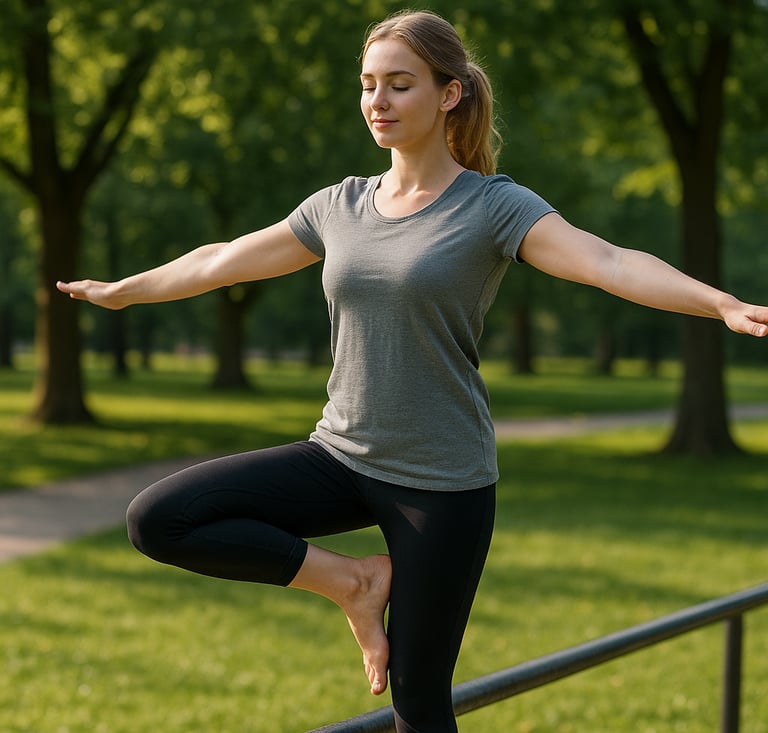
Daily movement is essential. Ideally, exercise should be combined with pure air and, when possible, sunlight. Useful physical work is also valued as a form of exercise.
Benefits:
Strengthens heart, muscles and bones
Helps control weight and blood sugar
Improves mood, reduces anxiety and stress
Increases energy and sleep quality
How to apply:
Do moderate physical activity most days of the week (about 30–60 minutes)
Walking outdoors is one of the simplest and most accessible forms
Combine aerobic exercise (walking, light jogging, cycling) with some strength training
Respect your limits and, if you have a condition, follow medical guidance


7. Rest and Sleep
What is taught:
Rest is more than sleep: it includes daily pauses, moments of calm, and a weekly day set aside for physical, mental and spiritual renewal. Night sleep is especially valued.
Benefits:
Restores the nervous and muscular systems
Improves memory, mood and decision-making
Strengthens the immune system
Helps hormonal balance and appetite control
What sleep should be like:
Generally 7–8 hours per night for adults (some need a bit more, others a bit less)
Sleep and wake at regular times as much as possible
Go to bed earlier; the hours before midnight are often more restorative
Avoid screens, caffeine and heavy meals in the hours before bed
Keep the bedroom dark, quiet and well-ventilated


8. Trust in God
What is taught:
Trust in a loving God is presented as the foundation of all the other remedies. A peaceful heart, a trusting mind and a life of prayer are seen as powerful in preventing and facing disease.
Benefits:
Reduces anxiety and fear
Brings hope, purpose and meaning even in suffering
Increases the ability to forgive, be grateful and start again
Inner peace that positively influences the body
How to apply:
Set aside daily time for prayer, Bible reading and spiritual reflection
Hand worries, guilt and fears over to God
Cultivate gratitude and praise, even on difficult days
Live out faith in practice: helping others, serving, forgiving


Important Notice
The 8 natural remedies are powerful lifestyle principles, but they do not replace medical diagnosis, treatment or professional care. They work best as a daily foundation to strengthen the body, prevent disease and cooperate with any treatment that may be needed.
Subscribe to our newsletter
Enjoy exclusive special deals available only to our subscribers.